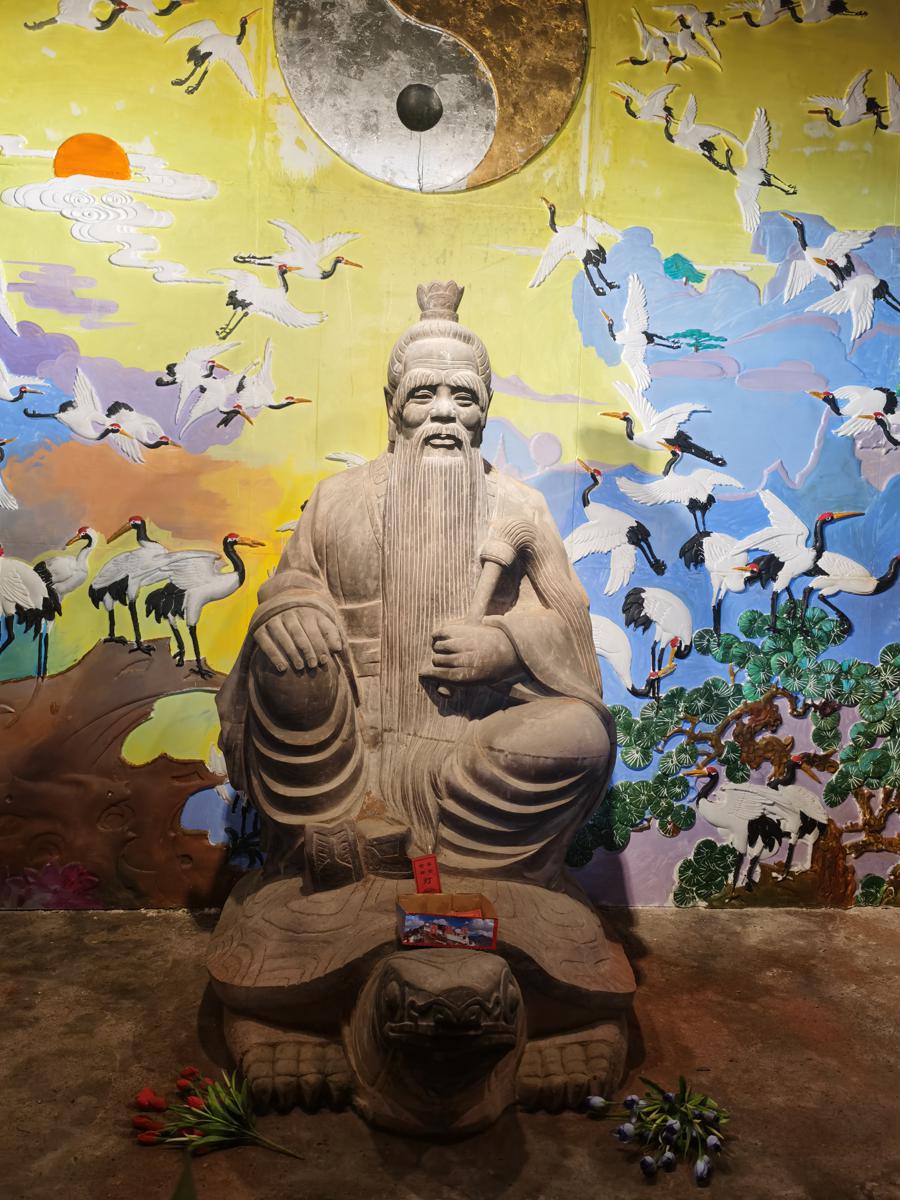
Longevity Culture
Introduction
Longevity Culture is a cultural tradition that emphasizes the importance of living a long, healthy life. Rooted deeply in Chinese history, this culture is celebrated and practiced in various forms, including art, philosophy, traditional medicine, and daily life.
Cultural Significance
The concept of longevity is intricately linked to traditional Chinese values, including filial piety, health preservation, and respect for the elderly. Chinese longevity culture often features the Chinese character "寿" (shòu), meaning longevity, prominently in art and artifacts. These symbols are not just decorative; they carry blessings and are believed to bestow long life upon those who use them.
Nantong: A City of Longevity
Nantong is often referred to as a "city of longevity" in China. It boasts a significant number of centenarians, with over 1,300 residents aged 100 or older. The prevalence of long-lived residents is attributed to a combination of factors, including the local diet, lifestyle, and the influence of TCM. The local culture promotes a positive attitude towards aging, which is seen as a crucial element in the community's overall health and longevity.








